You are not second
Jerzy Kukuczka finished second to climb the world's fourteen highest mountains — and took the harder way up almost every one of them.
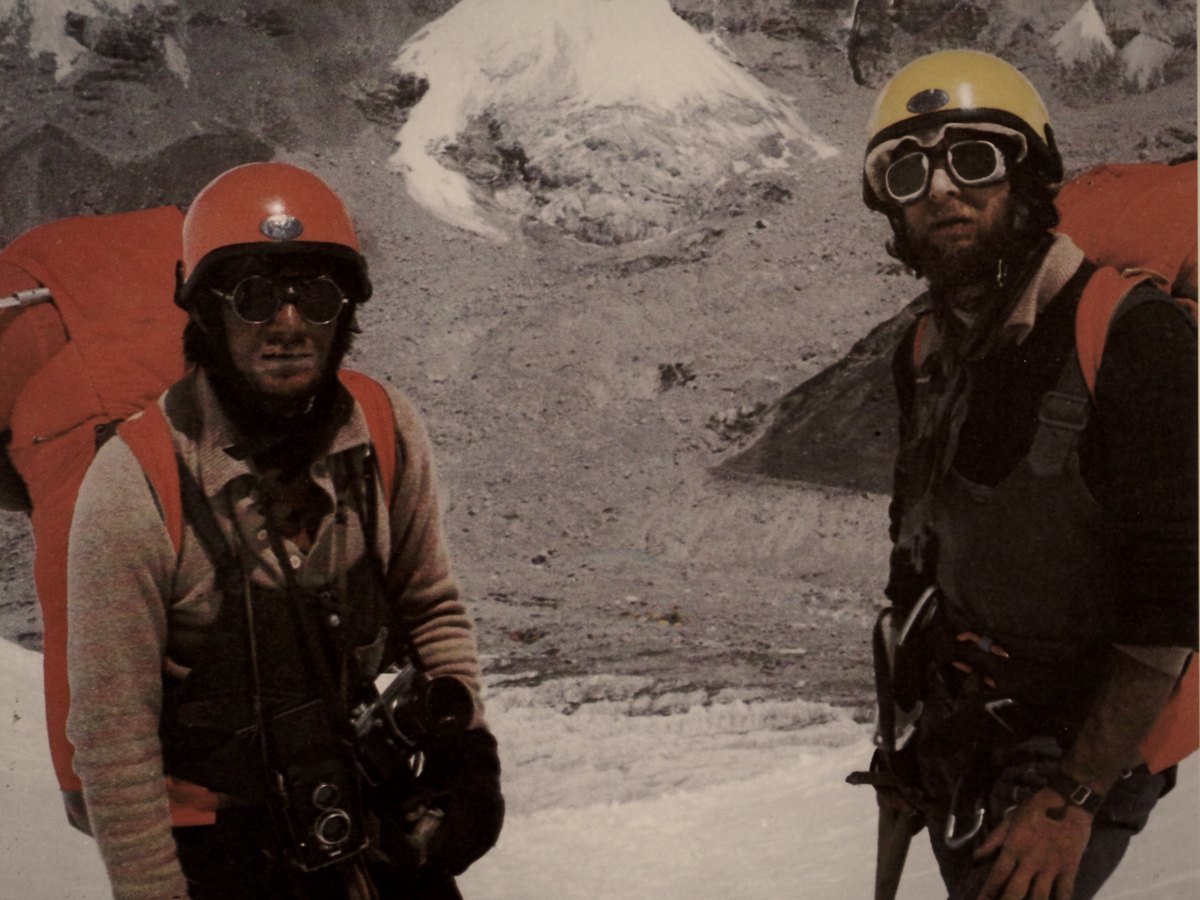
There are fourteen mountains on Earth higher than 8,000 metres. At the start of the 1980s, no one had climbed all of them. Two men came closest: Reinhold Messner from Italy, and Jerzy Kukuczka from Katowice, Poland.
Messner got there first. Kukuczka got there a year later. This is the story of the man who finished second — and of the telegram he got from the man who finished first.
Paid for with chimneys
Kukuczka was born in Katowice in 1948. At school he lifted weights; he started climbing at seventeen. By profession he was an engineer.
Poland in the 1980s had food on ration cards and no money to spare for expeditions. Like many Polish climbers of his generation, Kukuczka paid for his with work at height — painting factory chimneys, hanging on ropes.
Second, the harder way
Messner completed the fourteen on 16 October 1986. It had taken him sixteen years.
Kukuczka climbed his first eight-thousander, Lhotse, in 1979, and his last, Shishapangma, in September 1987. Under eight years. And after that first mountain, he climbed every single one either by a new route or in winter.
- Three of them — Cho Oyu, Kangchenjunga and Annapurna — had never been climbed in winter before him.
- He is the only person to have climbed two eight-thousanders in one winter.
- On K2 in 1986 he and Tadeusz Piotrowski opened a new line up the south face. It is known as the Polish Line. Nobody has tried to repeat it since.
The telegram
When Kukuczka finished, Messner sent him a telegram. It was written in English, and it is kept in the Kukuczka family archive:
You are not second. You are great.
The two men saw the mountains differently. When both were awarded the Olympic Order at the 1988 Winter Games in Calgary, Messner turned it down, saying mountaineering was creative work, not competition. Kukuczka accepted. He saw climbing as a sport, too, and said so often: in mountaineering, as in chess, there is room for creativity and for competition — and without the competition, he might never have climbed at all.
Lhotse, 1989
Two years after finishing the fourteen, he went back to the mountain where he had started — this time to its south face, which no one had climbed.
On 24 October 1989, above 8,200 metres, he was leading a pitch on a thin, second-hand rope he had bought at a market in Kathmandu. The rope broke. He was 41. His body was never found.
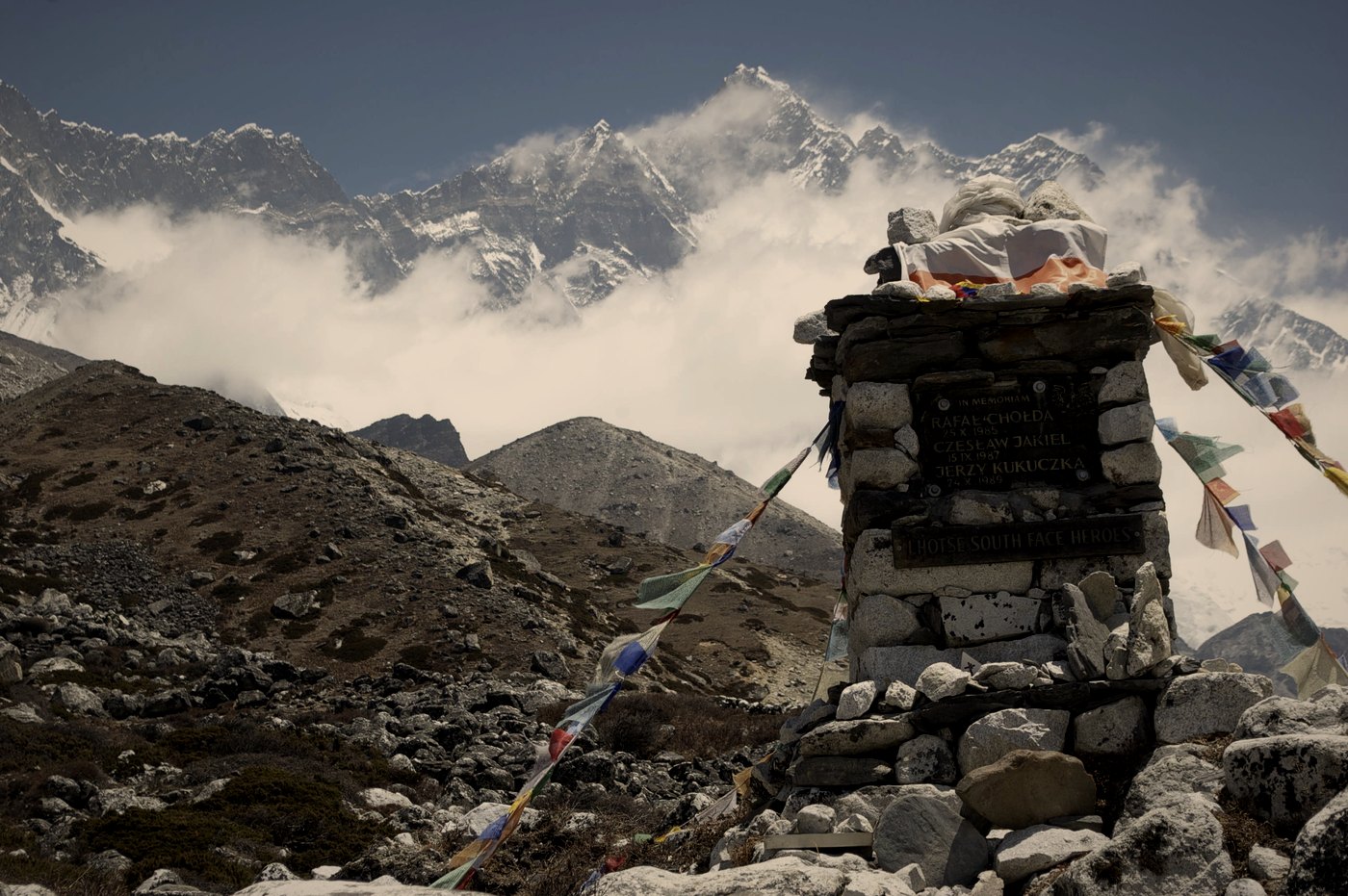
Second is a place. The way up is the work.
A list only remembers who was first. It doesn’t record what the climb cost, who paid for it, or which way up you chose when an easier one was right there.
That part doesn’t go on the list. It stays yours.
Read more
- Telegram from Reinhold Messner. Wirtualne Muzeum Jerzego Kukuczki, Archiwum Rodzinne Jerzego Kukuczki. jerzykukuczka.com
- Jerzy Kukuczka. Wikipedia (English and Polish editions). en.wikipedia.org · pl.wikipedia.org
Facts checked against at least two sources, 4 October 2026. The chess quote is our translation of Kukuczka's words in Polish.